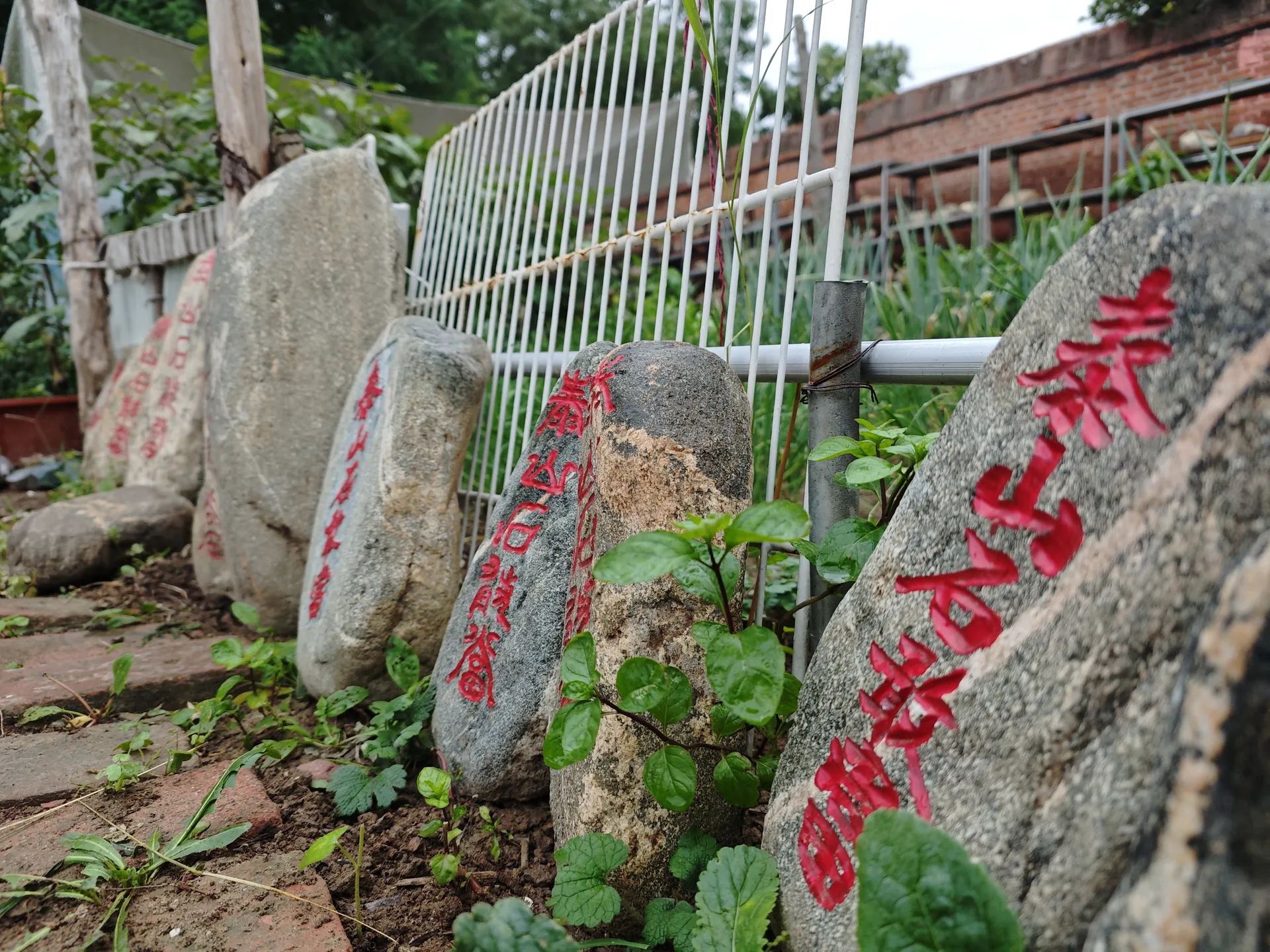
A stone that kept watch by Chinese homes for two thousand years.
I'm Jianyuan, a culture sharer from the foot of Mount Tai. I tell the folk stories behind these stones,
so that a home abroad can hold a piece of home.
What we share
Three ways to open a stone
Culture · Home and feng shui · Appreciation
Culture
Where did Shigandang come from, and why does a Chinese home keep a stone by the door? The folk customs, the imperial rites and the stories behind them.
Home and feng shui
How stones sit in a home, in the Eastern idea of steadiness and quiet. We describe old customs as customs. No claims attached.
Appreciation
Texture, form, the marks of time. Stones shown group by group, real-shot display — and we look closely at the one you like.
Selected stones
Selected stones
Not numbered — take them one at a time. When one catches your eye, we look at that one closely.
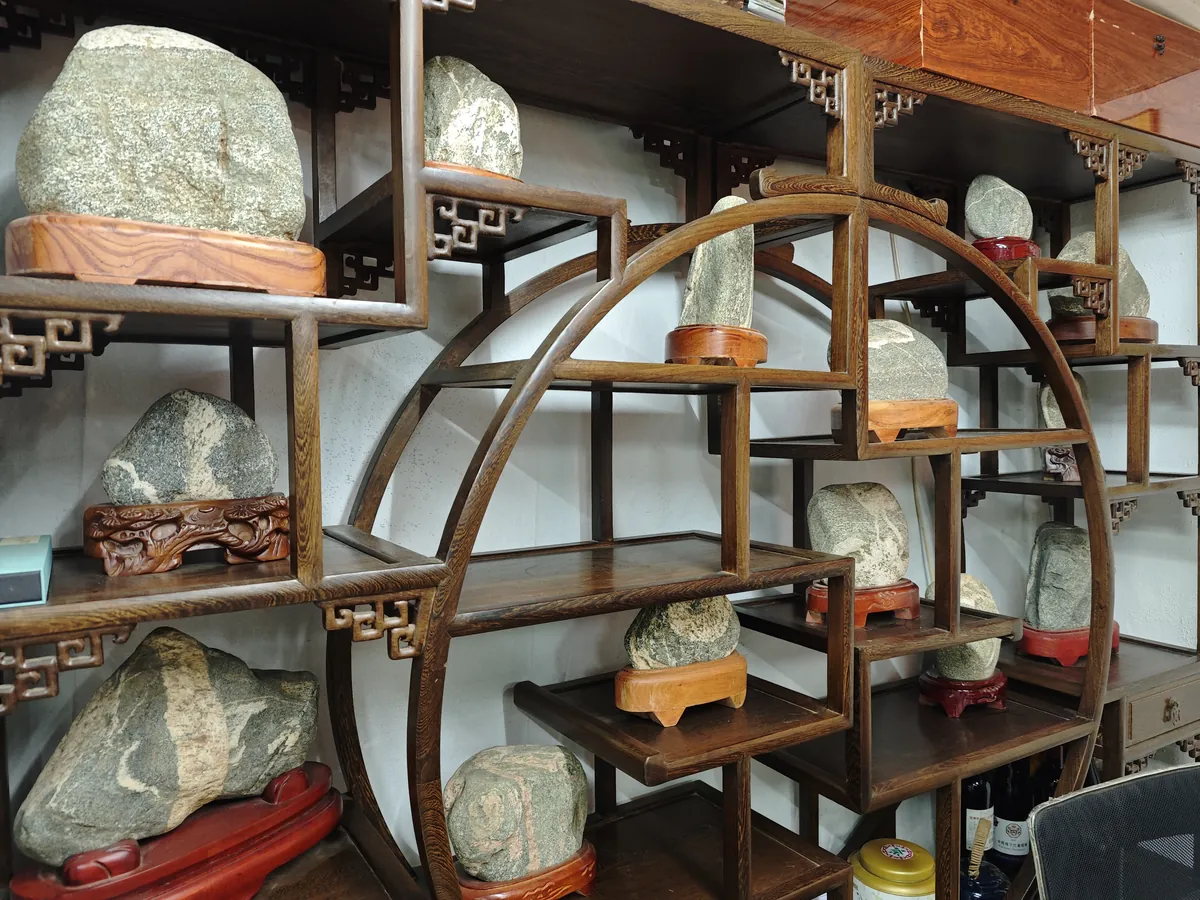
Mountain Bones
A mountain's bones have known a hundred million years of wind.
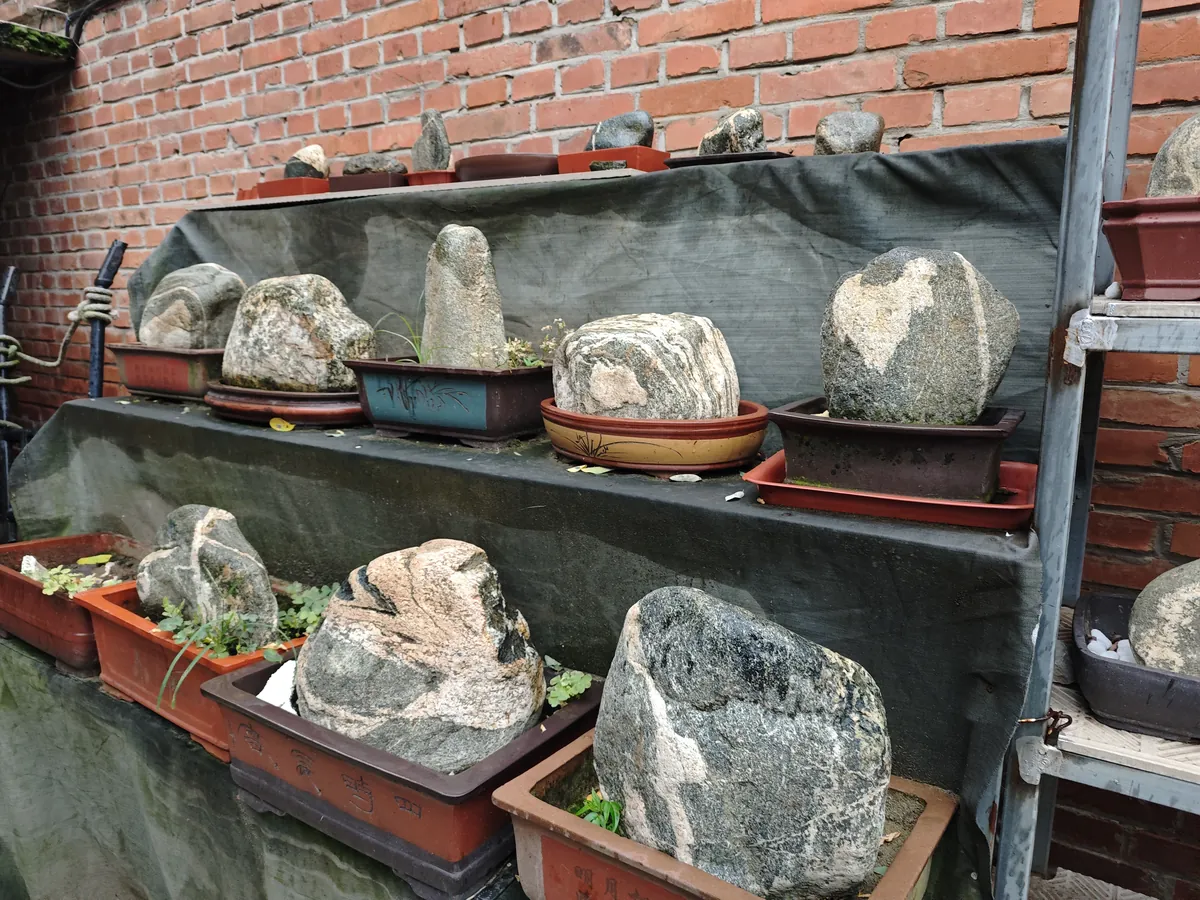
Keeping Watch
A shigandang by the door is a habit the Chinese have kept for two thousand years.
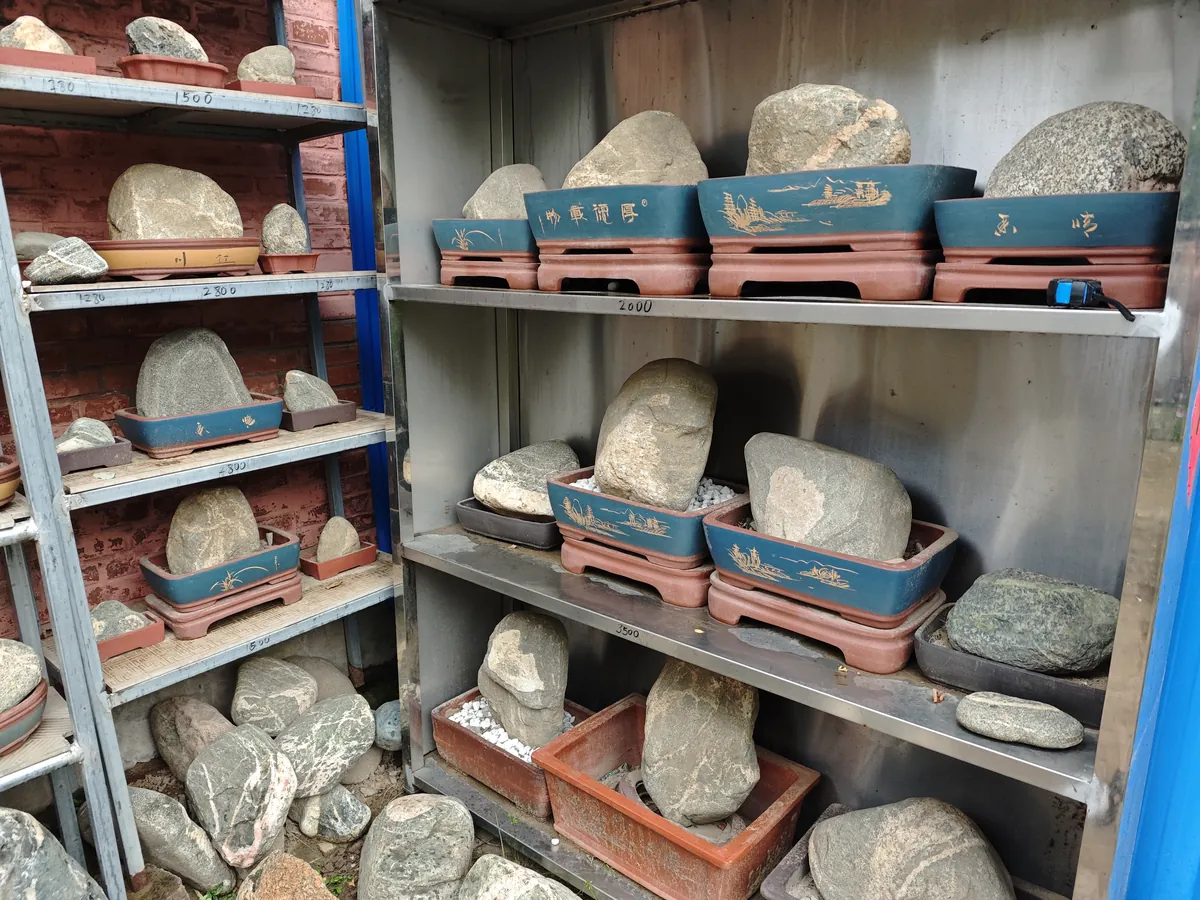
A World in Stone
In one stone, the care of a whole mountain.
Why does a Chinese home keep a stone?
Shigandang. Two thousand years of folk custom, emperors' rites on Mount Tai, scholars keeping stones on their desks, and ordinary families wishing for steadiness. In folk tradition the stone was a guardian of the home. First of all, it is a natural stone from Mount Tai.
Read the Shigandang storyFound a stone? Talk to me directly
One-on-one via email. Look, ask, talk. When one catches your eye, see it in live video. No online checkout.